

Understanding Gutter Sizing in Arkansas
Picking the right gutter size for your home in Arkansas is essential for practical rainwater management. The state's climate, which includes major rainfall and occasional severe storms, demands a gutter installation that can tackle large volumes of water. Gutter size directly impacts how efficiently your home is protected from water wear. A correctly sized gutter ensures that rainwater is directed away from your foundation, avoiding problems like basement flooding, erosion, and structural wear.
Arkansas climate varies across the state, with cities like Little Rock and Fayetteville experiencing various rainfall patterns and storm frequencies. These factors influence the best gutter size for your home. A standard 5-inch gutter is commonly used in many regions, but in areas with higher rainfall, a 6-inch gutter may be more suitable. The goal is to match the gutter size with the roof’s drainage requires and the local rainfall intensity.
Home protection is a key consideration when selecting gutter size. Gutters that are too small can lead to overflow, which can damage your home’s exterior and interior. On the other hand, oversized gutters may not be necessary and could be more expensive. Understanding the relationship between gutter size, rainfall, and home protection helps homeowners make informed decisions that ensure long-term durability and functionality.
How Arkansas Weather Influences Gutter Installation
Arkansas weather carries a major role in deciding the best gutter installation approach for homes. The state encounters a humid subtropical climate, which means it sees a lot of rainfall throughout the year. This climate condition necessitates gutters that can handle high volumes of water without overflowing. The frequency and intensity of storms in Arkansas also affect how gutters are installed and maintained.
Rainfall patterns in Arkansas alter by region. For example, Little Rock gets an average of 50 inches of rain annually, which means homes in this area need gutters that can manage a large amount of water. In Fayetteville, heavy summer thunderstorms can create sudden downpours that require gutters with sufficient capacity. These local weather conditions stress the importance of selecting the right gutter size to prevent water damage and ensure long-term performance.
Storm frequency is another key factor. Arkansas is prone to severe weather, including thunderstorms and occasional tornadoes. These events can result in sudden and heavy rainfall, which creates extra stress on a home’s gutter system. A well-designed gutter system with the right size can help manage these challenges and protect your home from water-related issues. Gutter sturdiness is also essential, as it provides that your system can withstand the elements over time without needing frequent repairs.
Popular Gutter Materials for Arkansas Homes
When it comes to gutter installation in Arkansas, the selection of material is just as vital as the size. Various materials offer varying levels of durability, cost, and upkeep requirements. Residents in Arkansas commonly pick from aluminum, steel, and vinyl gutters, each with its own advantages and considerations.
Aluminum gutters are a popular option because they are lightweight, corrosion-resistant, and relatively affordable. They are especially well-suited for areas like Little Rock and Fayetteville, where the climate includes both heavy rain and high humidity. Their resistance to rust makes them a good long-term investment for Arkansas homes.
Steel gutters are known for their strength and durability. They are ideal for homes in regions like Springfield, where frequent springtime storms can place extra stress on the gutter installation. Nevertheless, steel gutters may call for more upkeep, particularly in areas with high humidity, as they are more prone to rust if not correctly coated.
Vinyl gutters are another option, offering a low-upkeep solution for homeowners. They are resistant to corrosion and can be a good choice for those looking for an affordable and easy-to-install option. However, they may not be as durable as aluminum or steel in extreme weather conditions.
Aluminum Gutters in Arkansas
Aluminum gutters are a popular choice for residents in Arkansas due to their combination of affordability, durability, and resistance to corrosion. In cities like Little Rock and Fayetteville, where the climate includes both heavy rainfall and high humidity, aluminum gutters deliver trusted performance without the need for frequent maintenance. Their lightweight nature also makes them easier to install and less likely to cause structural damage to the home.
One of the key advantages of aluminum gutters is their ability to withstand the elements. Unlike steel, which can rust over time, aluminum is naturally resistant to corrosion. This makes it a good option for areas with high rainfall, such as Little Rock, where homes need a gutter system that can handle consistent exposure to moisture. In Fayetteville, where summer thunderstorms can bring sudden downpours, aluminum gutters help manage large volumes of rainwater without becoming overwhelmed.
Aluminum gutters are also available in a selection of designs and tonalities, allowing homeowners to choose an choice that harmonizes their home's exterior. Their flexibility and long lifespan make them a wise option for Arkansas homeowners looking for a reliable and affordable gutter option.
Steel Gutters in Arkansas
Steel gutters are recognized for their sturdiness and durability, making them a excellent option for homeowners in areas of Arkansas that encounter regular storm activity. In towns like Springfield, where seasonal storms can bring prolonged downpours and powerful gusts, steel gutters offer the foundation needed to handle these scenarios. Their ability to endure force and resist deformation makes them a reliable option for homes in vulnerable regions.
One of the main benefits of steel gutters is their durability. When properly maintained, they can last for many years, even in areas with heavy precipitation and extreme weather. However, steel gutters are more likely to corrode than aluminum or vinyl, especially in humid climates. To reduce this, many steel gutters are covered with a protective coating, such as corrosion protection, which reduces oxidation and extends their lifespan.
In locales like Arkansas, where the environment includes both prolonged rain and high humidity, steel gutters can be a good investment for homeowners who emphasize resilience. They are especially useful for homes that are situated in regions with a record of extreme conditions, such as Arkansas storms that can lead to abrupt heavy rain. Picking the suitable type of steel gutter and ensuring proper installation can help maximize their performance and endurance.
Gutter guidance for Arkansas homeowners
Proper gutter mounting is crucial for ensuring that your system works effectively in Arkansas' climate. Complying with the correct installation process can assist avoid typical challenges like leaks, clogs, and overflow. The of the greatest key tasks is to make sure that the gutter measure is ideal for your home’s roof and the area rainfall patterns. A professional installer can help figure out the most suitable size based on your specific demands.
Arkansas structure regulations also have a role in gutter setup. These regulations establish minimum standards for materials, gradient, and fixing techniques to make sure that gutters are safe and efficient. Homeowners should partner with certified technicians who are familiar with regional rules to avoid possible issues during installation. This is particularly critical in towns like Little Rock and Fayetteville, where building codes may vary somewhat from one area to another.
Partnering with professional contractors is additional key component in a effective gutter setup. These experts have the knowledge and experience to handle the distinct challenges of Arkansas weather, such as heavy precipitation and sudden storms. They can as well assist with maintenance planning, making sure that your system remains in good condition over period. Ongoing service, including scrubbing and inspection, is essential for maintaining your gutters functioning effectively and preventing costly maintenance.
Cost of Gutter Installation in Arkansas
The expense of gutter installation in Arkansas can change depending on several factors, including the scale of the system, the elements used, and the intricacy of the installation. Generally, homeowners can plan to pay between $5 and $10 per linear foot for regular installation. This interval can rise for larger homes or more detailed designs, such as those with multiple roof sections or distinctive architectural elements.
In urban areas like Little Rock, where the typical precipitation is higher, the price of gutter installation may be somewhat more due to the requirement for greater or stronger systems. Homeowners should also think about the enduring advantage of their commitment, as a correctly set up gutter system can provide decades of defense and minimize the chance of moisture harm. While the starting price may seem expensive, it can reduce cash in the long run by stopping expensive repairs and maintenance.
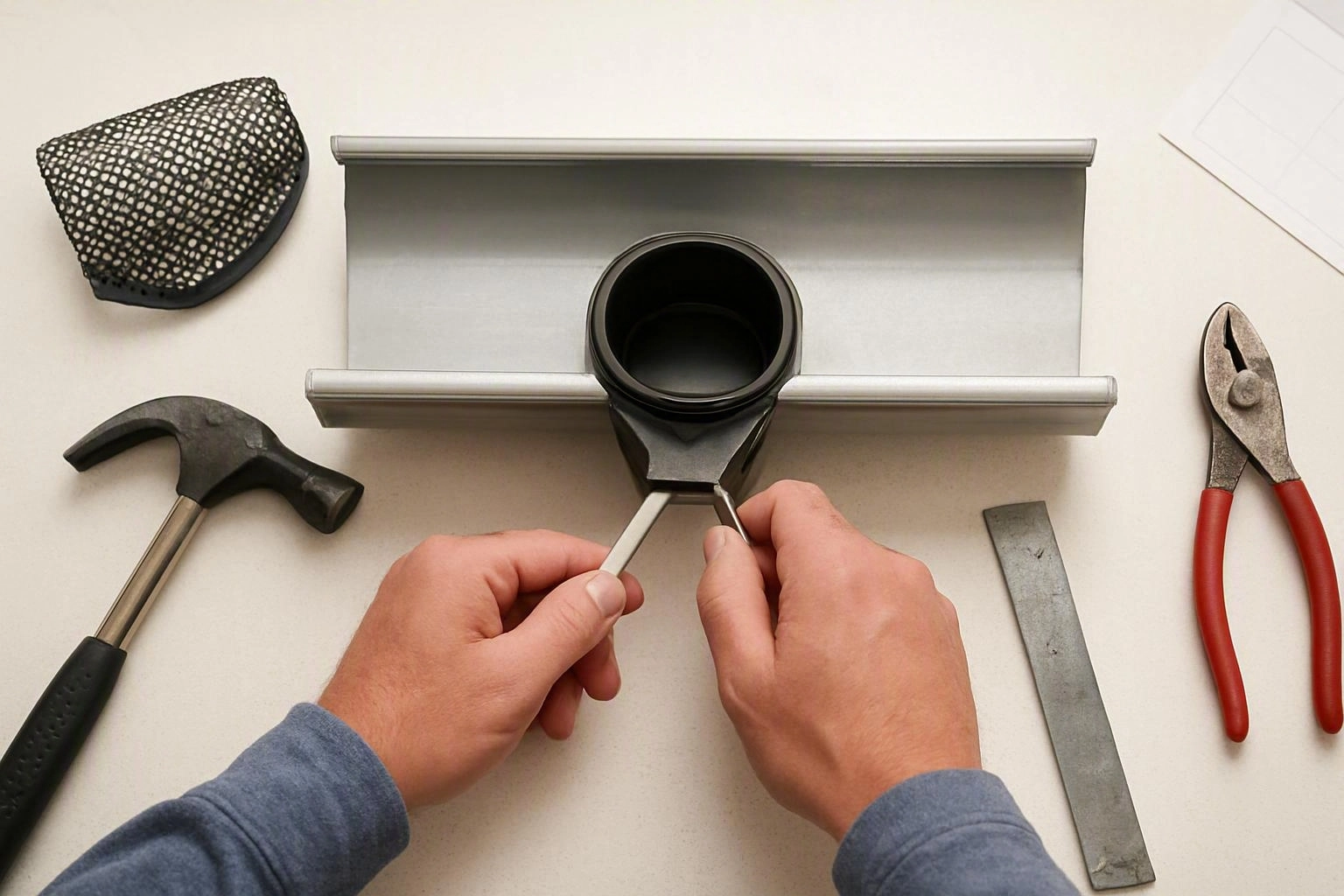
For homeowners looking to manage their budget, it’s vital to get multiple estimates from credible installers. This enables for a comparison of costs and support, ensuring that you get a just and comparable price. Moreover, some companies, like AGM Gutters, offer setup services adapted to the unique demands of Arkansas homes, supporting homeowners make knowledgeable decisions about their gutter systems.
FAQ
What are the most common types of gutters used in Arkansas?
Aluminum, steel, and vinyl gutters are the most common types used in Arkansas. Each material has its own advantages, with aluminum being popular for its corrosion resistance, steel for its durability, and vinyl for its affordability and low servicing.
How do climate conditions in Arkansas affect gutter installation?
Arkansas' humid subtropical climate, with its high rainfall and frequent storms, means that gutter setups must be able to manage large volumes of water. The size and material of the gutters are often chosen based on regional weather patterns to make sure reliable rainwater management.
What materials are best suited for Arkansas weather?
Aluminum gutters are well-suited for Arkansas' climate due to their resistance to corrosion and ability to handle heavy rainfall. Steel gutters are also a good option for areas with frequent storms, while vinyl gutters offer a low-upkeep approach for residents looking for an affordable option.
What is the typical cost of gutter installation in Arkansas?
The cost of gutter installation in Arkansas usually ranges from $5 to $10 per linear foot. This can vary based on the size of the setup, the materials used, and the complexity of the installation. In cities like Little Rock, where rainfall is higher, the cost may be slightly higher to accommodate larger or more durable systems.
What are the steps involved in qualified gutter installation?
Professional gutter installation typically involves assessing the home’s needs, selecting the appropriate materials and size, preparing the roof and fascia, installing the gutters, and ensuring proper slope and drainage. A licensed installer will also provide maintenance tips to help homeowners keep their system in good condition over time.